
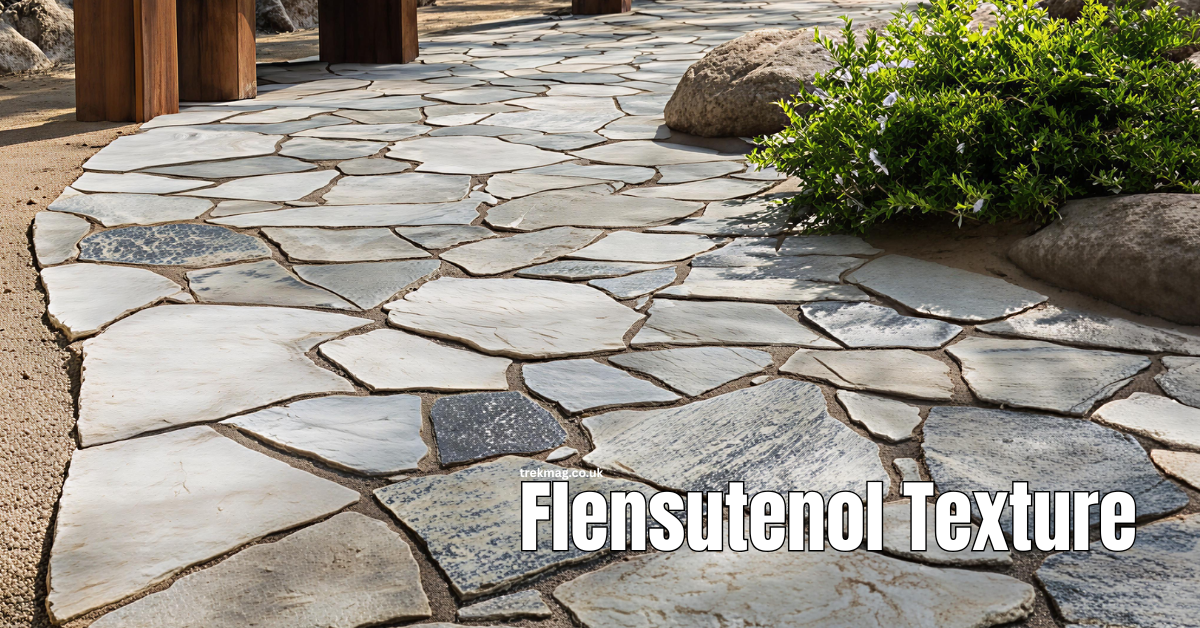
When people talk about natural stone surfaces, they often focus on color and size. However, surface character matters just as much. This is where flensutenol texture becomes important. It describes the unique surface feel and arrangement of large natural stone slabs used in paving and wall cladding. This texture can completely change how a space looks and feels.
What Is Flensutenol Texture?
Flensutenol texture refers to the visible and physical surface pattern found on large stone slabs commonly used in outdoor and indoor design. Builders use these slabs for patios, walkways, garden paths, pool decks, and walls. The texture can look rough and natural or smooth and refined depending on finishing methods.
The Origin of Flensutenol Texture in Construction
Although the word may sound modern, flensutenol texture connects deeply with traditional stone construction methods. Ancient builders used large flat stones to create durable pathways and strong foundations. Over time, designers improved cutting and finishing techniques, which allowed the texture to evolve into both rustic and contemporary styles.
Natural Stones Used for Flensutenol Texture
Flensutenol texture usually comes from natural stones such as sandstone, slate, limestone, and bluestone. Each stone type brings a different visual effect. For example, sandstone often shows warm earthy tones, while slate gives darker dramatic shades. Because of this variety, homeowners can easily match their design goals.
Surface Finishes That Shape Flensutenol Texture
Surface finishing plays a major role in defining flensutenol texture. Natural cleft finishes keep the stone uneven and raw. Honed finishes smooth the surface for a cleaner look. Tumbled finishes soften the edges, creating an aged appearance. Therefore, the finishing method strongly affects the final result.
Why Designers Prefer Flensutenol Texture
Designers choose flensutenol texture because it adds depth and personality to any space. Instead of flat, plain surfaces, textured stone creates visual movement. Moreover, it improves safety by offering better grip in outdoor areas. As a result, it combines both beauty and function in one solution.
Flensutenol Texture for Outdoor Patios
Outdoor patios benefit greatly from flensutenol texture. The natural surface blends beautifully with gardens, lawns, and trees. In addition, textured stone handles weather changes well. It resists heat, rain, and temperature shifts, which makes it a practical choice for long-term use.
Flensutenol Texture in Walkways and Garden Paths
Walkways require strong and safe materials. Flensutenl texture provides excellent durability and slip resistance. Furthermore, its natural layout creates an inviting path that feels organic and comfortable. Many landscape designers use it to create relaxed outdoor environments that still look elegant.
Using Flensutenol Texture for Wall Cladding
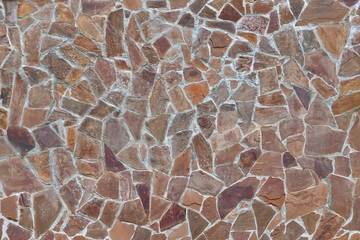
Interior and exterior walls can also benefit from flensutenol texture. When applied vertically, the texture adds shadow and depth. This makes plain walls more interesting. Additionally, stone cladding increases property value because it gives homes a high-end architectural appearance.
Rustic Style with Flensutenol Texture
If you want a countryside or cottage-style design, flenstenol texture works perfectly. The uneven surfaces and earthy tones create a natural atmosphere. Combined with wooden furniture and greenery, the texture helps create warmth and charm in outdoor and indoor spaces.
Modern Designs with Flensutenol Texture
On the other hand, flensutnol texture can look modern when designers choose smoother finishes and clean layouts. Straight cuts and neutral colors give a minimalist appearance. Because of this flexibility, the texture fits both traditional and modern homes easily.
Color Variations in Flensutenol Texture
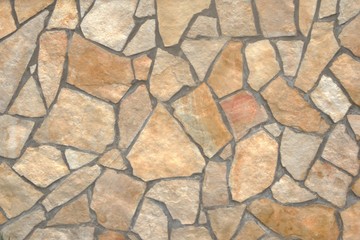
Color plays a huge role in how flensutenol texture appears. Sandstone may show beige, brown, or golden shades. Slate often features grey, black, or blue tones. Limestone gives lighter cream colors. Therefore, homeowners can select shades that match their overall theme.
Durability and Strength of Flensutenol Texture
Durability makes flensutenol texture highly popular in construction. Natural stone handles heavy foot traffic and outdoor exposure. It does not wear out quickly. As a result, property owners enjoy long-lasting surfaces that require minimal replacement over time.
Maintenance Requirements
Maintaining flensutnol texture is relatively simple. Regular cleaning removes dirt and debris. Sealing the surface protects it from moisture and stains. Because natural stone is strong, it does not require complicated care routines, which saves time and effort.
Cost Considerations
The cost of flensutenol texture depends on stone type, finish, and installation method. Some stones are more affordable, while others cost more due to rarity. However, many homeowners consider it a smart investment because of its durability and aesthetic value.
Installation Process Explained
Professionals usually install flensutenl texture by preparing a solid base, laying the slabs carefully, and sealing joints properly. Proper installation ensures stability and longevity. Therefore, hiring experienced contractors is highly recommended for best results.
Environmental Benefits
Natural stone used in flensutenol texture often has environmental advantages. It requires minimal chemical processing compared to synthetic materials. Moreover, stone lasts for decades, which reduces replacement waste and supports sustainable building practices.
Slip Resistance and Safety
Safety matters in outdoor design. Flenutenol texture naturally provides grip due to its uneven surface. This makes it ideal for pool decks and rainy areas. As a result, homeowners reduce the risk of slipping accidents.
Enhancing Property Value
Adding flensutnol texture can increase property value. Buyers often appreciate natural stone features because they signal durability and quality. Therefore, installing textured stone can become a smart long-term investment for homeowners.
Comparing Flensutenol Texture with Other Materials
Compared to concrete or tiles, flensutenol texture offers a more natural and organic appearance. While concrete may crack and tiles may chip, natural stone often performs better over time. Consequently, many builders prefer it for premium projects.
Future Trends in Flensutenol Texture
Design trends continue to evolve. However, natural materials remain popular. Flensutenol texture will likely grow in demand as homeowners seek sustainable and timeless designs. Its flexibility ensures it stays relevant in both classic and modern architecture.
Conclusion
Flensutenol texture combines beauty, durability, safety, and versatility in one design element. Whether used in patios, walkways, or walls, it creates strong visual impact. Because it fits many design styles, it remains a reliable and attractive choice for homes and commercial spaces.
FAQs
1. What is flensutenol texture used for?
Flensutenol texture is used for patios, walkways, garden paths, pool decks, and wall cladding.
2. Is flensutenol texture durable?
Yes, it is highly durable because natural stone resists weather and heavy foot traffic.
3. Does flensutenol texture require maintenance?
It requires basic cleaning and occasional sealing to maintain its appearance.
4. Is flensutenol texture suitable for modern homes?
Yes, smooth finishes and neutral tones make it perfect for modern designs.
5. Is flensutenol texture slip resistant?
Yes, its natural uneven surface provides good grip for outdoor areas.
Read Also: Translat5e The Smarter Way to Translate