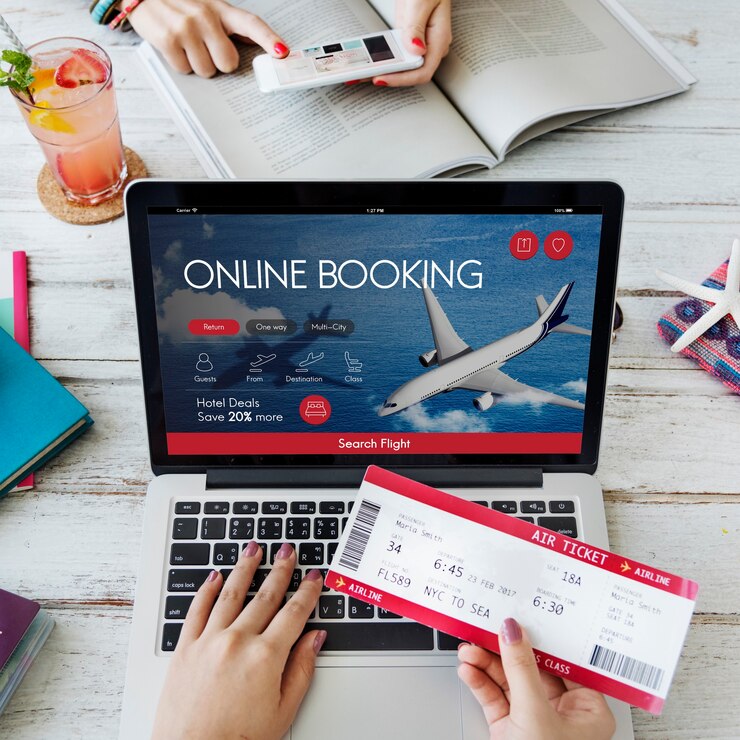
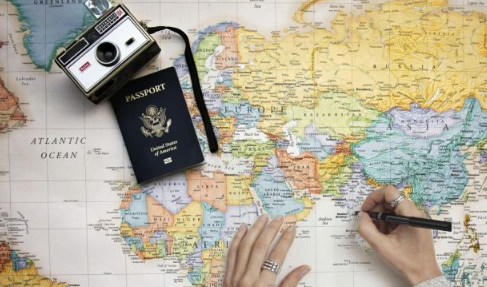
Traveling solo used to be something only the boldest adventurers or seasoned wanderers dared to attempt. Today, it has become one of the fastest-growing trends in lifestyle and tourism. Whether it’s a backpacking trip through Southeast Asia, a yoga retreat in Costa Rica, or a quiet weekend in a European village, more people are choosing to go it alone — and loving it.
But why is solo travel becoming so popular, especially among millennials and Gen Z? And what does it reveal about modern life, values, and self-discovery? Let’s take a closer look at this lifestyle shift.
Rediscovering Yourself in the Unknown
One of the most commonly cited reasons for solo travel is self-discovery. In a world where we’re constantly connected — to our phones, our jobs, our families — taking time away from the noise allows people to reconnect with themselves. It’s not about escaping responsibilities, but about stepping outside your routine to see what else is out there — and who you are when no one’s watching.
Solo travelers often speak of a deeper sense of clarity, freedom, and purpose after their journeys. Without anyone else dictating the schedule or influencing decisions, you’re forced to trust your instincts, embrace uncertainty, and learn to enjoy your own company.
Freedom Without Compromise
Want to hike for six hours straight without stopping for a coffee break? Or maybe you’d rather spend the whole afternoon reading on a beach instead of checking tourist hotspots? Traveling alone gives you the freedom to design your days exactly how you want them — no debates, no compromises, no guilt.
This level of autonomy is refreshing in a world that constantly pulls our attention in multiple directions. It also empowers travelers to become more decisive and confident — skills that often carry over into daily life after the trip is over.
The Solo Economy: Growing Businesses for the Independent Explorer
With the rise in demand for solo travel, the industry has adapted. Hotels now offer single occupancy rates without unfair surcharges. Travel agencies and apps have created special packages tailored for individual travelers. Even group tours have adjusted by creating solo-friendly trips where participants can meet like-minded explorers while maintaining personal space and independence.
Some travelers even integrate work and leisure by going on “workations” — traveling while maintaining their remote jobs. These experiences often include periods of digital detox followed by evening work sessions or casual productivity in scenic cafés.
And during downtime, many people look for relaxing ways to unwind. From streaming platforms to digital hobbies, there are plenty of ways to pass the time when traveling alone. Some even turn to casual online entertainment, exploring everything from travel-themed games to responsibly managed platforms like a casino website, where you can enjoy a bit of excitement between long train rides or rainy afternoons — always, of course, with moderation in mind.
Safety and Smart Travel: Tools for the Modern Nomad
Solo travel has become significantly safer thanks to modern technology. From GPS-enabled maps to language translation apps and emergency support tools, travelers can now navigate unfamiliar cities with more confidence than ever before. Airbnb, Google Reviews, and social media communities offer crowdsourced insights and local recommendations that would have been impossible to access even a decade ago.
Still, responsible planning is key. Sharing itineraries with family, using secure accommodations, and keeping digital copies of documents are just a few precautions that help make solo adventures safer.
Women Leading the Way
Interestingly, a large percentage of solo travelers today are women. Female travel communities have emerged online, offering support, meetups, and safety advice. Brands now cater to the solo female traveler with everything from curated retreat packages to women-only hostels and tours. This empowerment through travel mirrors broader social trends — women taking control of their narratives, their time, and their freedom.
Solo Travel Isn’t Lonely — It’s Liberating
A common misconception is that traveling alone means being lonely. In reality, solo travelers often find themselves more open to meeting new people — whether it’s chatting with locals, joining a spontaneous hiking group, or striking up conversations with other solo adventurers.
These encounters tend to be more genuine, unfiltered by pre-existing relationships or group dynamics. When you’re on your own, you’re more likely to say yes — to experiences, to invitations, to life.
Final Thoughts
Solo travel isn’t just a vacation — it’s a mindset. It’s about learning to enjoy your own company, making decisions based on your intuition, and embracing the freedom to go where you want, when you want. As our world becomes more connected yet increasingly fast-paced, taking time to step away and reconnect with yourself isn’t just refreshing — it’s essential.
So if you’ve been thinking about booking that ticket and going somewhere new — alone — maybe it’s time to stop thinking and start packing.