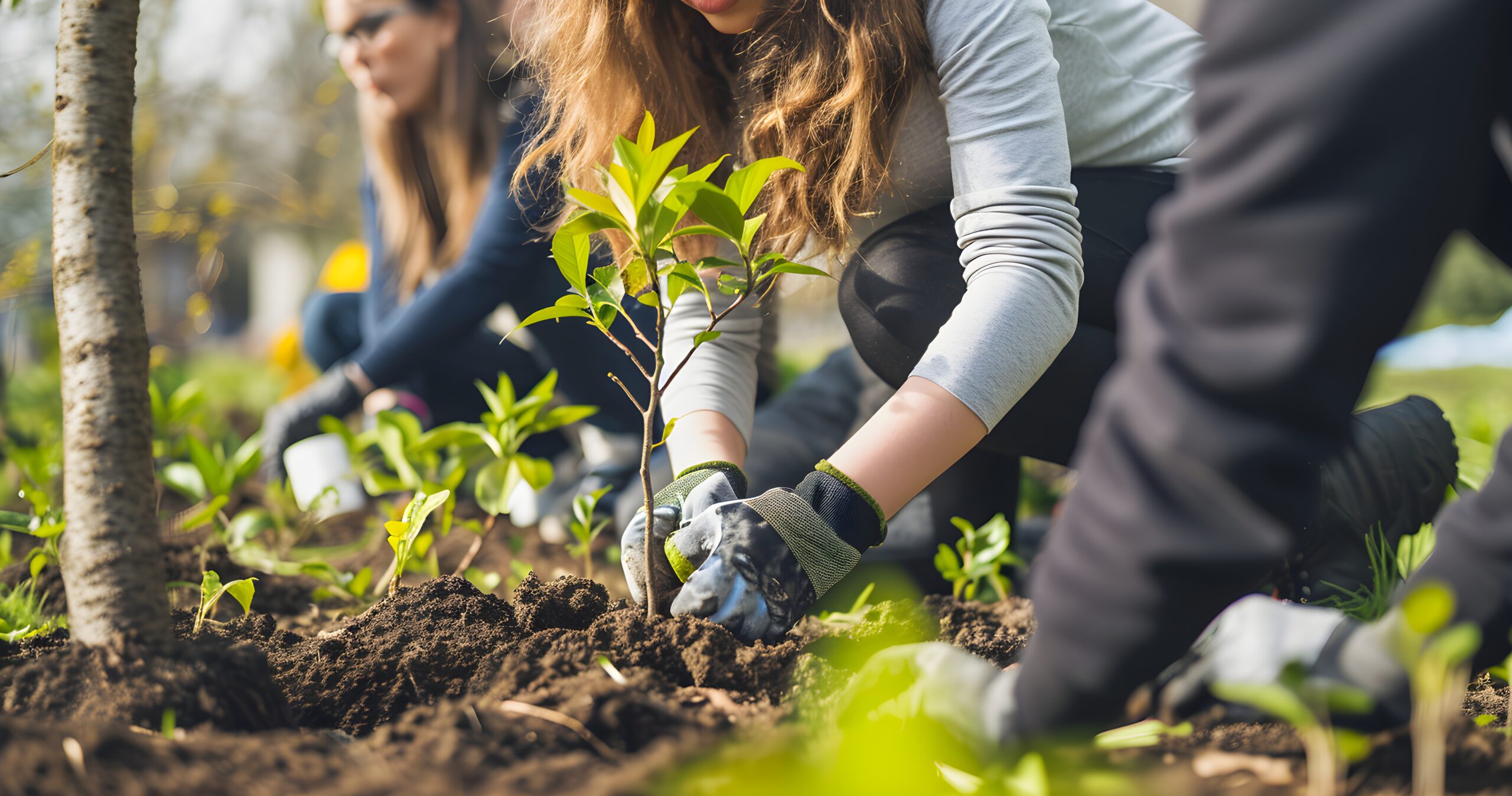
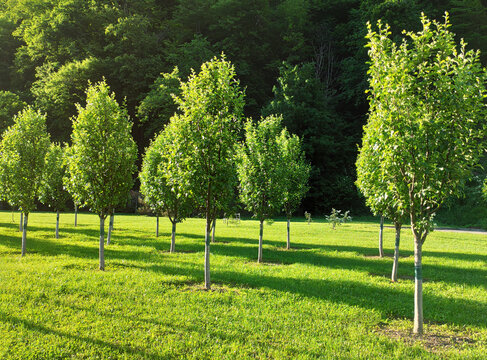
The transition from a potted nursery specimen to a flourishing garden feature is a critical phase for any young tree, especially for fruit-bearing varieties like apples. Successfully establishing a new tree hinges on many factors, but none is quite as immediate and vital as water management. Getting the watering regimen right in the first few years is the difference between a tree that simply survives and one that develops a robust, deep root system capable of supporting decades of healthy growth and plentiful harvests. This is particularly relevant in the variable British climate, where gardeners often face unpredictable patterns of drought and heavy rainfall. Understanding the fundamental principles of hydration for newly planted stock is essential for all gardeners, regardless of their experience level.
A leading UK nursery specialist, known for their focus on quality fruit tree propagation, emphasises the importance of consistency over volume for new plantings. They highlight a common pitfall: assuming natural rainfall is sufficient. This is rarely the case for a tree still forming its root structure, particularly in the drier, windier spring and summer months. The experts at Fruit-Trees nursery advise a measured approach. “Deep, infrequent watering is the cornerstone of successful tree establishment. It coaxes the roots down into the subsoil, making the tree self-sufficient sooner. Remember to check the soil moisture before applying water; if the soil feels damp five centimetres down, hold off. Overwatering is just as lethal as underwatering, leading to root suffocation. For detailed guidance on establishment, refer to our comprehensive guide on planting fruit trees.” When you decide to buy fruit trees, remember that the quality of the specimen is just the starting point; the subsequent aftercare is what truly guarantees success. This pragmatic approach distills the complex requirements of young tree care into five actionable, rules-based directives.
Rule 1: The Deep Soak – Encouraging a Strong Root System
The first and arguably most crucial rule is to water deeply, rather than frequently. Shallow watering, which only dampens the top layer of soil, encourages the tree to develop a shallow root system. These superficial roots become highly susceptible to drought, heat stress, and frost heave. A well-established tree, however, needs to anchor itself firmly and draw moisture from deeper, more consistently cool and moist subsoil layers.
For a newly planted tree—be it a bare-root or potted specimen—the initial watering after planting must be substantial to settle the soil around the roots and eliminate any air pockets. Following this, the aim should be to saturate the entire root ball and the surrounding soil to a depth of at least 30 to 45 centimetres. This typically equates to providing around 20 to 40 litres of water per tree, depending on its size and the soil type. Clay soils absorb water slowly and hold it for longer, requiring a slower application to prevent runoff, while sandy soils drain quickly, necessitating the same volume but perhaps a more staggered application to ensure deep penetration without loss. The key is to deliver the water slowly over the root zone, allowing it to soak in rather than flow away. Techniques like using a soaker hose, a dedicated watering ring, or simply pouring water from a bucket in three or four stages are far more effective than a quick spray with a hosepipe. By providing a deep soak once a week during dry periods, particularly in the first two growing seasons, you signal to the roots that the most reliable source of hydration is deep down, actively promoting the development of the strong, resilient infrastructure the tree requires for long-term health. This routine dramatically reduces the need for emergency watering in subsequent heatwaves.
Rule 2: The Soil Check – Water Based on Need, Not Schedule
While the Deep Soak establishes the principle of how to water, the Soil Check dictates when to water. Many beginner gardeners fall into the trap of watering on a fixed schedule (e.g., every Saturday), irrespective of weather conditions. This can lead to either root suffocation in wet periods or acute dehydration during sudden heat spikes. The correct approach is to check the soil’s moisture content before applying any additional water.
A simple yet effective test is the ‘finger test.’ Push your index finger or a trowel handle about five centimetres deep into the soil a short distance away from the tree’s trunk. If the soil feels noticeably moist, the tree does not require water. If the soil feels dry at this depth, it is time for a thorough, deep watering, as described in Rule 1. For those who prefer a more technical reading, a basic soil moisture meter can be an inexpensive and highly accurate tool. The crucial point is that the topsoil should be allowed to dry out slightly between watering sessions. This intermittent drying is beneficial as it ensures the roots have access to oxygen, which is just as important as water for healthy function. Constantly waterlogged soil drives out air, creating an anaerobic environment that rapidly leads to root rot—the silent killer of many young trees. Furthermore, remember that even a heavy summer shower may only saturate the top few centimetres of soil. A brief check after rain will confirm if the shower was substantial enough to penetrate to the root zone, or if supplemental watering is still necessary. This pragmatic, condition-based approach ensures that you are providing what the tree needs, exactly when it needs it, preventing both the perils of drought and waterlogging.
Rule 3: Strategic Timing – Minimising Evaporation and Stress
The time of day you choose to water has a direct impact on the efficiency of your efforts and the overall health of the tree. Watering at the wrong time wastes water through evaporation and can even contribute to fungal issues. The third rule mandates strategic timing, focusing on the cooler parts of the day.
The optimal time to water young trees is in the early morning, ideally before 10 a.m. Watering when the air is cool and the sun is low allows the water ample time to soak into the root zone before the heat of the day increases evaporation rates. Any moisture that lands on the leaves also has time to dry off as the day warms up, which is a key factor in preventing the germination and spread of fungal diseases like apple scab and mildew, which thrive in prolonged damp conditions. Watering late in the evening is the second-best option, as it also benefits from lower temperatures. However, evening watering leaves the foliage and the soil surface moist throughout the night, which increases the risk of those aforementioned fungal problems. Therefore, early morning is preferred. Watering during the hottest part of the afternoon (between midday and 4 p.m.) is the least efficient practice. During this period, up to 50% of the applied water can be lost to evaporation before it even reaches the absorbing roots. Furthermore, applying cold water to a hot, stressed root system can shock the tree. By adhering to a strategic morning routine, you ensure maximum water efficiency and minimise the conditions conducive to disease, creating a less stressful and more productive environment for the young tree to establish itself successfully.
Rule 4: Mulching and Weed Control – Conserving Moisture and Reducing Competition
Water management extends beyond the application of water; it also encompasses conservation. The fourth essential rule involves the strategic use of mulch and diligent weed control around the base of the tree. This simple gardening practice is one of the most effective ways to support a young tree’s water needs, significantly reducing the frequency with which you will need to manually water.
A layer of organic mulch, such as wood chips, well-rotted compost, or bark, serves two vital functions. Firstly, it acts as an insulating blanket for the soil, dramatically reducing water loss through evaporation caused by sun and wind. This is particularly important during dry, breezy periods in the UK. By keeping the soil surface cool, the mulch ensures that the moisture delivered by your deep soakings remains in the root zone for longer. Secondly, a thick layer of mulch (around 5 to 10 centimetres deep) acts as a physical barrier against competing weeds and grass. Weeds are highly effective, shallow-rooted competitors for water and nutrients. In the initial years, a young tree’s root system cannot compete effectively with a dense sward of grass or perennial weeds. The competition they pose for scarce resources, especially water during summer, can severely stunt the tree’s growth and overall vigour. When applying mulch, it is crucial to maintain a ring of bare earth, approximately 5 to 10 centimetres wide, immediately around the trunk. Piling mulch directly against the bark, known as ‘volcano mulching,’ can trap moisture and encourage the bark to rot, providing an entry point for pests and diseases. By establishing a mulch ring that extends to at least the drip line of the canopy—the furthest extent of the branches—you create a dedicated, moisture-rich, and competition-free zone where the young tree’s feeder roots can thrive. This conservation effort is a non-negotiable step in responsible young tree aftercare.
Rule 5: The Three-Year Commitment – The Timeline for Independence
The final rule provides a necessary timeline for watering vigilance: a minimum three-year commitment. While a mature, established fruit tree can generally fend for itself in the British climate, relying on natural rainfall and its deep root system, a young tree is dependent for its survival. Gardeners often assume that once a tree has successfully negotiated its first year, it is fully established, but this is a dangerous misconception.
The first growing season is spent recovering from the transplant and beginning to grow new, fine roots. The second year sees a significant increase in root mass and the tree beginning to settle into its new location. It is usually not until the end of the third growing season that the tree has developed a sufficiently extensive and deep root system to be truly independent of supplemental watering, except during prolonged or exceptional drought conditions. This three-year commitment is especially vital for apple and pear trees, which benefit significantly from consistent moisture during the crucial periods of blossom set and fruit swelling. Neglecting watering in the second or third summer can cause previously vigorous growth to slow dramatically, reducing the tree’s ultimate size and future fruiting potential. When monitoring the soil, you may find that in the third year, you can increase the interval between deep soaks, moving from weekly to perhaps every ten to fourteen days during dry spells, particularly in heavier clay soils. However, the rule remains: check the soil and water deeply if it is dry. Maintaining this commitment past the initial ‘honeymoon period’ is the ultimate demonstration of responsible husbandry. It is the effort put in during these formative years that guarantees the tree grows into a healthy, productive, and resilient specimen that will reward the gardener for decades to come, proving the small investment of time to buy fruit trees and care for them was worthwhile.
Understanding Water Dynamics in the Garden
Achieving mastery over watering young trees necessitates a deeper appreciation for the interplay between water, soil, and the tree itself. Water does not simply hydrate; it is the fundamental medium through which the tree performs all its biological functions. It acts as a solvent for mineral nutrients, transports sugars created by photosynthesis, and, most visibly, maintains the turgor—the internal pressure—that keeps the tree’s leaves firm and upright. Water loss through the leaves, known as transpiration, is what drives the whole system, pulling water up from the roots.
Soil type is the unsung hero—or villain—in the watering equation. Clay soils, made of very fine particles, have a high water-holding capacity, meaning they can hold more water for longer, but they are also prone to waterlogging if overwatered, as the small pore spaces restrict air movement. Sandy soils, conversely, have large, open pores that allow water to drain rapidly, necessitating more frequent but potentially smaller applications of water to ensure the limited reserves do not deplete entirely. Organic matter—a crucial component added during planting and through mulching—significantly improves the characteristics of both. In clay, it loosens the structure and improves drainage; in sand, it acts like a sponge, increasing the moisture retention. Understanding your garden’s soil texture is paramount to personalising these five rules. If the water you apply ponds on the surface for a long time, it suggests slow drainage (likely clay), and you must slow down the application rate and potentially reduce the volume slightly to avoid creating an anaerobic environment. If the water disappears instantly, the soil is very free-draining (likely sand), and you might consider a slightly higher frequency of watering, strictly based on the soil check. Consistent vigilance in monitoring the soil, paired with a commitment to deep, measured hydration, is the only way to successfully guide a young fruit tree through its establishment phase and into a lifetime of production. The initial investment in the correct aftercare will pay dividends far exceeding the effort.