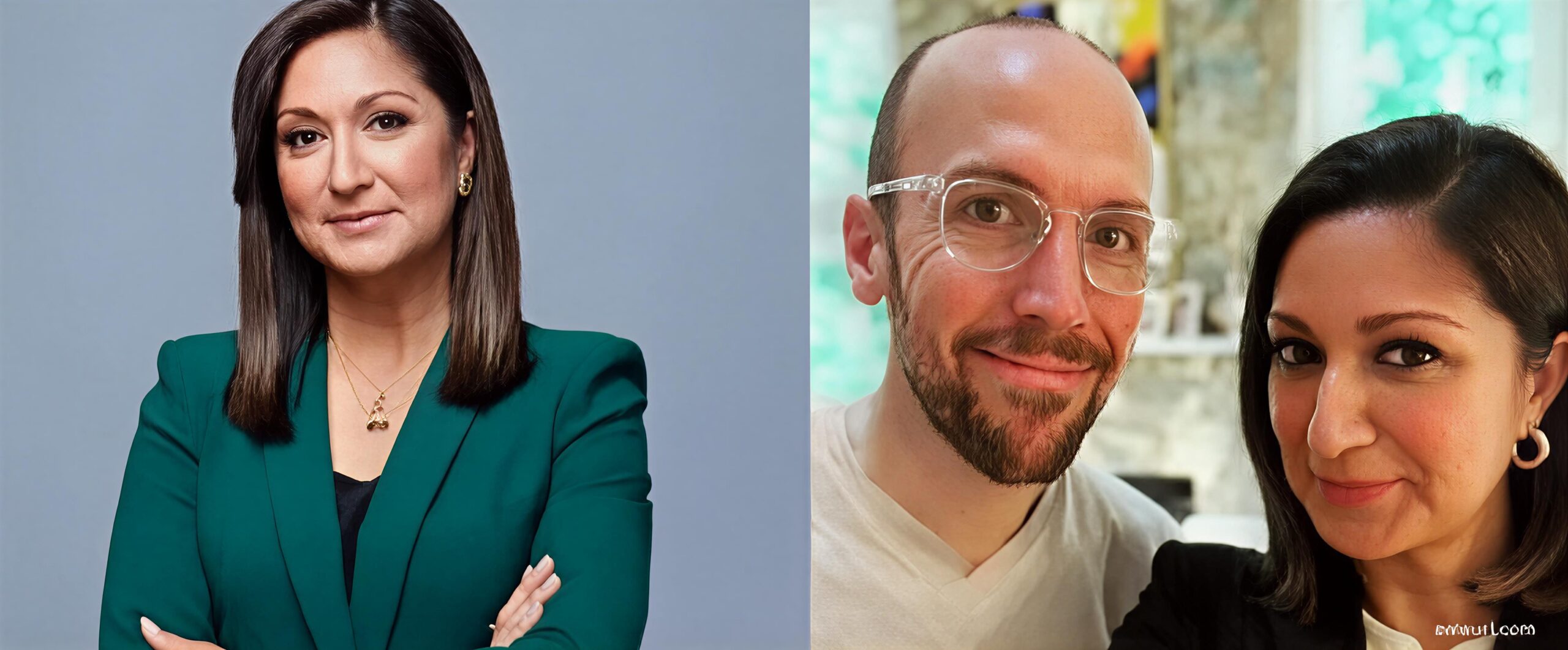
Let’s start with the simple truth: Paul Werdel is one of those people whose story matters not because he chases attention, but because he shapes the world around him in a quiet, steady way. Even though many people know him mainly as the husband of PBS NewsHour co-anchor Amna Nawaz, his own path—both professionally and personally—deserves a closer look. When you pull the lens back a bit, you see someone who built a respected career at The New York Times, then made a deliberate decision to step back from the professional spotlight so he could focus on raising his family and supporting his wife’s demanding journalism career. And when you look at how he carries himself, it becomes clear that his choices come from intention, not obligation.
Early Life and Background
Here’s the thing: details about Paul Werdel’s early life aren’t widely publicized, partly because he prefers to stay off center stage. Still, what we do know points to a background shaped by curiosity, education, and a strong sense of responsibility. His later work in media product management didn’t come out of nowhere; it grew out of a long-standing interest in how information flows and how people interact with news. Even though he isn’t the type to broadcast every part of his story, the direction of his life shows someone who values meaningful work and constant improvement.
How He Built His Career
Before many people even knew his name, Paul Werdel built a solid professional path. He worked as a product manager at The New York Times, where he focused on digital news strategy. What this really means is that he helped shape the way millions of readers consume journalism every day. His work touched everything from mobile experiences to how stories are presented online. Even if readers never saw his name on a byline, his impact was baked into the structure of the platform. He carved out his place not by being loud, but by being good at what he did.
Meeting Amna Nawaz
Paul Werdel met Amna Nawaz long before she became one of the most recognizable faces in American broadcast journalism. Their story isn’t a tabloid headline; it’s a genuine partnership built on shared respect, ambition, and trust. They married in 2007, and from that point on, they built their life in a way that balanced two demanding careers. As Nawaz’s journalism work began pulling her deeper into national and international reporting, the two had to constantly re-evaluate what would work best for their family. And instead of resisting those changes, Werdel leaned into them.
Choosing Family Over Traditional Career Paths
At some point, every family with two high-pressure careers has to make a decision, and Paul Werdel made his in a thoughtful, intentional way. When their daughters were young, he chose to step out of his professional life so he could take on the role of full-time caregiver. This wasn’t a quick or easy call, because stepping away from a respected position at The New York Times is no small thing. But for him, the priority was clear: stability for his children and support for his wife’s growing responsibilities at PBS. Many people talk about work-life balance; he actually built it.
What Stepping Back Really Means
It’s easy to throw around the phrase “primary caregiver,” but the reality behind it deserves more attention. As the parent who manages day-to-day life at home, Paul Werdel handles the logistics, routines, emotional load, and unseen details that keep a family functioning. And while society is getting better about recognizing the value of stay-at-home fathers, men in this role still deal with quiet judgment, outdated expectations, and a lack of recognition. Yet Werdel carries this responsibility with a calm, steady presence, showing that support roles are just as meaningful as public ones.
His Role in Amna Nawaz’s Career Success
Let’s break it down: Amna Nawaz’s career is intense. Journalism at her level requires long hours, unpredictable schedules, constant travel, and emotional resilience. Having a partner who can anchor the home front makes all the difference. Paul Werdel’s support frees her to focus fully on her reporting, anchoring, and leadership at PBS NewsHour. This doesn’t diminish her achievements—it highlights the teamwork that makes them possible. Behind her steady presence on television is his steady presence at home.
A Modern Model of Partnership
What stands out about Paul Werdel and Amna Nawaz is not just their individual achievements, but how they designed their life as a team. Instead of following traditional expectations, they built a structure that works for them. Their marriage shows that success doesn’t always look like two people climbing separate ladders at the same speed. Sometimes it’s about dividing responsibilities in a way that keeps the family strong while letting each partner thrive.
Why His Story Matters Today
In a world where many people often feel pushed to “do it all,” Paul Werdel’s story offers a different example—one rooted in clarity and purpose. He wasn’t pressured into stepping back, nor was he sidelined. He chose a role that aligned with his values, his family’s needs, and his long-term vision. That kind of decision isn’t just admirable; it’s instructive. It shows that success can look like being present, consistent, and grounded.

Balancing Privacy and Public Attention
Even though Amna Nawaz works on national television, the couple has managed to keep their family life remarkably private. Paul Werdel, especially, stays away from the public eye. He doesn’t seek media attention, doesn’t build a social-media brand, and doesn’t use his connection to Nawaz for visibility. Instead, he chooses a quieter path—one centered on raising his daughters and protecting the sanctuary of home.
Parenting With Purpose
Parenting young children is demanding—anyone who’s done it knows the energy, patience, and focus it requires. Paul Werdel brings structure, calm, and consistency to their daily lives. He manages school schedules, routines, emotional challenges, and all the behind-the-scenes work that keeps a household steady. In every real way, he is the foundation that holds the day together.
Teaching Values Through Example
Children learn more from observation than instruction, and Werdel leads by example. He demonstrates empathy, commitment, humility, and strength not through speeches, but through action. By showing his daughters what a supportive partnership looks like, he gives them a blueprint for healthy relationships and balanced ambition.
How His Work Experience Still Influences Him
Even though he stepped away from his role in media product management, that experience never disappeared. His understanding of digital systems, analytical thinking, and strategic planning still shapes how he approaches family life. Decisions are thoughtful, organized, and intentional—traits he honed in his career and now uses daily in a different context.
A Quiet Strength
You know the type of strength that doesn’t need to be loud? That’s Paul Werdel. He isn’t trying to impress anyone. He isn’t performing for social media. He’s simply living his life with purpose. That kind of quiet strength is rare, and it’s part of what makes his story resonate.
Supporting a High-Profile Career
Let’s be honest: journalism at the national level is not a 9-to-5 job. It’s unpredictable, stressful, and demanding. By managing the home front, Werdel gives Nawaz the freedom to stay focused on her work without constantly worrying about what’s happening at home. This kind of support doesn’t just help—it makes the whole system sustainable.
The Importance of Shared Goals
This couple works because they have a clear understanding of their priorities. Their decisions—whether about parenting, career moves, or time management—come from shared goals. And shared goals create stability. Paul Werdel’s ability to communicate, compromise, and collaborate is a big part of why their partnership thrives.
His Legacy Beyond Work
Even though he left a respected professional position, Werdel’s impact didn’t shrink; it shifted. Now, his legacy lives in the daily lives of his children, the stability of his family, and the support he gives to a journalist whose work reaches millions. Sometimes the most important work isn’t measured in job titles or public recognition.
What People Can Learn From His Choices
If there’s a lesson in Paul Werdel’s story, it’s this: there’s strength in choosing the life that actually fits you—not the one others expect. His decision to prioritize family doesn’t make him any less ambitious or capable. It shows maturity, clarity, and courage.
The Relationship Dynamic With Amna Nawaz
Their marriage reflects mutual respect and an understanding that careers don’t need to compete. Instead of juggling parallel ambitions that collide, they created a structure where each person’s strengths support the other. This isn’t about sacrifice; it’s about teamwork.

Conclusion
In the end, Paul Werdel represents something many people quietly wish for: a life built on intention, partnership, and purpose. He supports his wife’s public role, raises his children with commitment, and maintains a grounded presence that holds the family together. His story won’t make headlines, but it leaves a lasting impact.
FAQs
1. Who is Paul Werdel?
Paul Werdel is a former New York Times product manager and the husband of PBS NewsHour co-anchor Amna Nawaz.
2. What is Paul Werdel known for?
He’s known for supporting Nawaz’s journalism career by stepping into the role of primary caregiver for their children.
3. When did Paul Werdel and Amna Nawaz get married?
They married in 2007.
4. Why did Paul Werdel leave his job?
He stepped away from his career to focus on childcare and home life so Nawaz could take on larger responsibilities at PBS.
5. Does Paul Werdel appear in media?
Rarely. He keeps a low profile and maintains his family’s privacy.
Read Also: The Story of Marcelle Provencial Her Career, Family, and Community Impact