
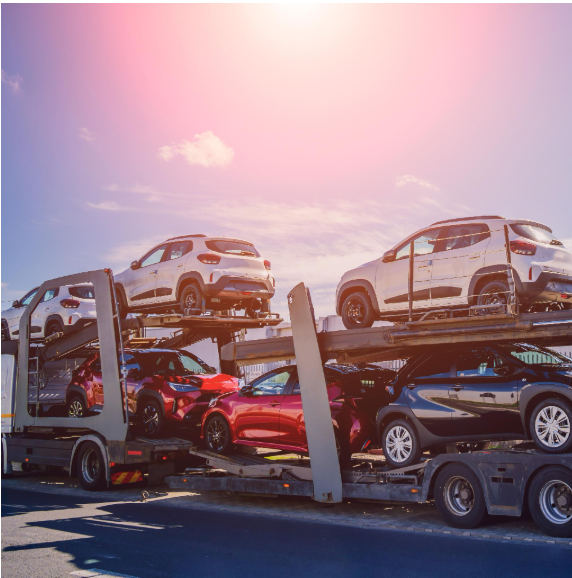
Whether you’re relocating, purchasing a vehicle from another state, or sending a car to a family member, one of the first questions you’ll ask is how much it will cost. While it’s tempting to look for a quick estimate, understanding what goes into a vehicle transport quote can help you make better decisions and avoid unexpected expenses later.
Not all quotes are created equal. Some companies provide estimates based on limited information, while others calculate pricing using current market conditions, vehicle specifications, pickup locations, and delivery requirements. Knowing what influences pricing allows you to compare offers with confidence instead of simply choosing the lowest number.
Why Every Quote Is Different
Auto transport isn’t a one-size-fits-all service. Every shipment has unique details that influence the final price.
The distance between pickup and delivery locations is one of the biggest factors. Longer routes naturally cost more overall, although the price per mile often decreases on cross-country shipments.
Vehicle size also matters. Larger SUVs, pickup trucks, and vans occupy more trailer space and weigh more than compact sedans, which usually increases transportation costs.
Seasonality is another important consideration. Demand tends to rise during the summer months, around holidays, and during periods when many people relocate. During these busy times, prices may be slightly higher because carrier availability becomes more limited.
Information You’ll Need Before Requesting a Quote
Providing accurate information helps ensure that the estimate closely reflects the actual shipping cost.
You’ll typically need:
- Pickup location
- Delivery destination
- Vehicle make and model
- Vehicle condition
- Preferred shipping dates
- Open or enclosed transport preference
If any of these details change after booking, the final price may also change.
Being as accurate as possible from the beginning makes the process smoother for both you and the transport company.
Open vs. Enclosed Transport
The shipping method you choose will also influence pricing.
Open transport is the most common option because it’s widely available and offers excellent value for most everyday vehicles. Cars are securely loaded onto open trailers alongside several other vehicles traveling similar routes.
Enclosed transport offers additional protection from weather and road debris. It’s commonly selected for luxury vehicles, classic cars, collector automobiles, and exotic models that require extra care during transit.
While enclosed shipping generally costs more, many owners consider the added protection worthwhile for high-value vehicles.
Timing Can Affect Pricing
Flexibility often helps reduce shipping costs.
Customers who can adjust their pickup window usually have access to more available carriers, making it easier to secure competitive pricing.
On the other hand, expedited transportation or last-minute bookings may increase costs because carriers must rearrange existing schedules to accommodate urgent shipments.
Planning ahead whenever possible usually provides the best combination of price and scheduling flexibility.