
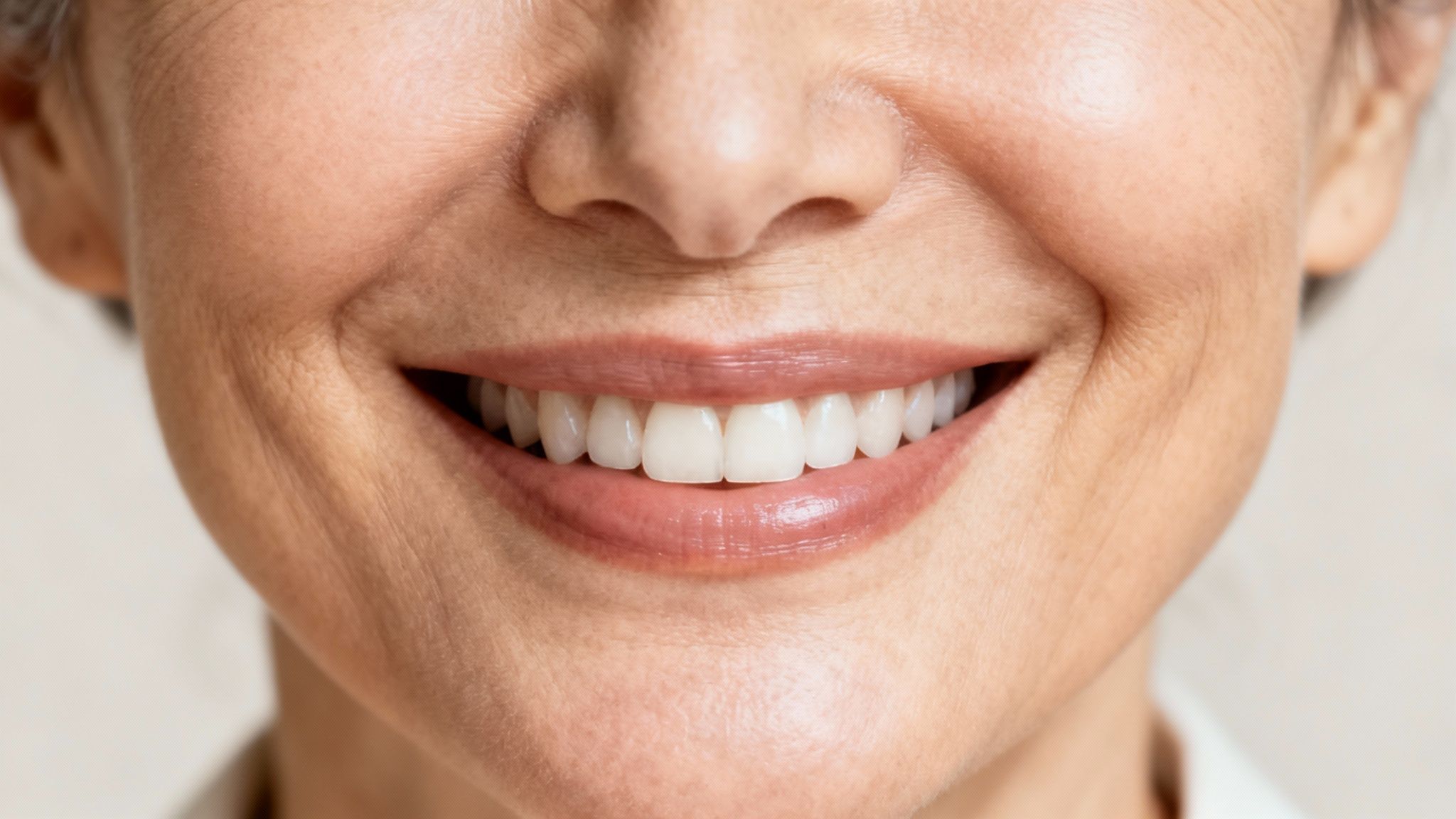
Today’s cosmetic dentistry patients seek natural-looking improvements that support oral health while enhancing confidence in professional and social settings. Smile rejuvenation is no longer confined to celebrities or television personalities; it is part of mainstream dental care across the city’s private clinics and specialist practices.
A consultation with a cosmetic dentist London patients trust often begins with a broader discussion than many don’t expect. Rather than focusing solely on tooth colour or alignment, dentists evaluate facial symmetry, gum balance, bite function, and long-term oral health. This comprehensive perspective reflects a shift in cosmetic dentistry towards minimally invasive, evidence-based treatments that preserve natural tooth structure wherever possible.
Dr. Sahil Patel of MaryleboneSmileClinic.co.uk, located at address: 66 Harley St, London W1G 7HD, 02071268526, explains that modern smile rejuvenation should never compromise oral stability. He notes that patients are encouraged to consider both aesthetics and function before proceeding with treatment, and that realistic planning is central to achieving satisfying results. For those seeking further information about comprehensive aesthetic options, he advises prospective patients to seek tailored advice to understand how digital planning and personalised care contribute to predictable outcomes.
Across London, seven principal techniques now underpin most smile transformations. Each addresses a different aspect of dental appearance and health, and when combined thoughtfully, they create balanced, natural-looking results.
Professional Teeth Whitening and Shade Optimisation
Tooth discolouration remains one of the most common concerns among Londoners seeking cosmetic treatment. Staining may result from tea, coffee, red wine, tobacco use, or natural ageing. Professional whitening, carried out under dental supervision, offers a safe and controlled method of lightening enamel while protecting surrounding tissues.
In-clinic whitening systems typically use carefully formulated hydrogen or carbamide peroxide gels, activated with light or laser technology in some cases. These treatments can brighten teeth by several shades in a single appointment. Alternatively, custom-made home whitening trays allow patients to achieve gradual results over one to two weeks. Dentists in London increasingly emphasise tailored shade optimisation rather than overly bright outcomes, ensuring the final result complements skin tone and facial features.
Importantly, whitening is not suitable for every patient without prior assessment. Underlying issues such as enamel erosion, untreated decay, or gum disease must be addressed first. In some cases, intrinsic discolouration caused by trauma or medication may require alternative solutions, including veneers or bonding. By approaching whitening as part of a wider oral health plan, London practitioners ensure that cosmetic gains do not compromise long-term stability.
When carried out responsibly, professional whitening remains one of the least invasive and most cost-effective rejuvenation techniques available, making it a frequent starting point in broader smile enhancement plans.
Porcelain Veneers and Minimally Invasive Bonding
Porcelain veneers have long been associated with dramatic smile makeovers, yet contemporary techniques in London prioritise subtle refinement over obvious transformation. Veneers are ultra-thin ceramic shells bonded to the front surface of teeth to correct discolouration, minor misalignment, uneven shapes, or worn enamel. Advances in digital imaging allow dentists to preview outcomes before any enamel preparation takes place.
Many practices now favour minimal-preparation or “no-prep” veneers where clinically appropriate. These preserve as much natural tooth structure as possible while delivering aesthetic improvements. High-quality ceramics mimic natural translucency, enabling restorations to blend seamlessly with adjacent teeth.
For smaller corrections, composite bonding offers an alternative. This technique uses tooth-coloured resin sculpted directly onto enamel to close gaps, repair chips, or refine contours. It can often be completed in a single visit and requires little to no drilling. Bonding is also reversible in many cases, making it attractive to younger patients who may wish to avoid permanent alteration.
Both veneers and bonding demand careful case selection and artistic precision. Overuse or poorly planned treatment can lead to bulky restorations or long-term maintenance challenges. In London’s competitive dental landscape, emphasis increasingly rests on conservative design, ensuring results appear natural rather than conspicuous.
Orthodontics and Discreet Alignment Solutions
Alignment plays a central role in smile aesthetics, yet adult patients often hesitate to pursue orthodontics due to concerns about visibility or inconvenience. London clinics now offer discreet solutions that integrate easily into professional lifestyles.
Clear aligner systems, such as Invisalign, have become a popular choice. These removable, transparent trays gradually reposition teeth without metal brackets or wires. Treatment plans are digitally mapped, allowing patients to visualise progress from the outset. Aligners can be removed for eating and cleaning, supporting oral hygiene throughout the process.
Lingual braces, fixed to the inner surfaces of teeth, provide another concealed option. Though technically more complex, they deliver reliable results for cases requiring greater control. Short-term orthodontic approaches may focus specifically on the front teeth, addressing visible crowding or spacing without comprehensive bite correction.
Proper orthodontic assessment is essential before beginning treatment. Bite imbalances, jaw discrepancies, and periodontal health must be evaluated to avoid complications. In many smile rejuvenation plans, alignment precedes whitening or restorative work, ensuring that subsequent cosmetic treatments are built upon a stable foundation.
By correcting alignment, dentists not only enhance appearance but also improve function, making orthodontics a cornerstone of holistic smile improvement in London.
Gum Contouring and Periodontal Aesthetics
The appearance of the gums significantly influences how teeth are perceived. Excess gum display, uneven gingival margins, or recession can detract from otherwise well-shaped teeth. London cosmetic dentists increasingly incorporate periodontal aesthetics into comprehensive rejuvenation plans.
Laser gum contouring allows clinicians to reshape excess tissue with precision, creating a more balanced smile line. The procedure is typically performed under local anaesthetic and involves minimal discomfort. By exposing more of the natural tooth surface, contouring can improve proportions without altering the teeth themselves.
Conversely, gum recession may require grafting procedures to restore lost tissue and protect exposed roots. Recession not only affects aesthetics but can lead to sensitivity and increased decay risk. Addressing these issues early supports both cosmetic and functional goals.
Healthy gums form the framework of an attractive smile. Dentists in London therefore emphasise periodontal stability before undertaking elective cosmetic work. This approach reflects a broader understanding that long-term results depend on a sound biological foundation.
Through careful management of gum shape and health, practitioners can achieve subtle yet transformative improvements that complement other rejuvenation techniques.
Dental Implants and Full-Arch Restoration
Tooth loss, whether from trauma, decay, or advanced gum disease, can profoundly affect both appearance and confidence. Dental implants provide a fixed, durable solution that closely replicates natural tooth structure. Titanium posts are surgically placed into the jawbone, integrating over time to support crowns, bridges, or full-arch prostheses.
In London, implant dentistry often forms part of comprehensive rehabilitation for patients with multiple missing teeth. Digital planning and 3D imaging enable precise placement, reducing complications and improving longevity. Modern implant-supported restorations are designed to harmonise with surrounding teeth in colour, shape, and translucency.
For patients requiring extensive treatment, full-arch solutions can restore function and aesthetics in a streamlined manner. While such procedures involve greater investment and clinical complexity, they can dramatically improve quality of life.
Suitability for implants depends on bone density, systemic health, and oral hygiene habits. Thorough assessment and realistic expectation-setting remain central to successful outcomes. When integrated into a broader smile rejuvenation strategy, implants offer a stable foundation that supports both aesthetic enhancement and long-term oral function.
As techniques continue to evolve, London practices maintain high standards of surgical planning and restorative design to ensure natural-looking, durable results.
Facial Aesthetics and the Integrated Smile
Smile rejuvenation increasingly extends beyond teeth and gums. Facial aesthetics, including dermal fillers and anti-wrinkle treatments, are sometimes incorporated to enhance perioral harmony. By softening lines around the mouth or restoring lost volume, practitioners can complement dental improvements and achieve balanced results.
This integrated approach reflects changing patient expectations. Many individuals seeking cosmetic dental care wish to address multiple aspects of facial ageing in a coordinated manner. In regulated clinical environments, treatments are delivered with attention to safety and anatomical knowledge.
However, dentists emphasise that facial aesthetic procedures should enhance rather than distract from the smile itself. Subtlety remains key. Overcorrection can undermine otherwise well-executed dental work.
In London, interdisciplinary collaboration between dental and aesthetic professionals is increasingly common. By aligning treatment planning across disciplines, practitioners provide comprehensive care tailored to each individual’s goals. The result is not a dramatic transformation but a refreshed, proportionate appearance that reflects contemporary standards of professionalism and natural beauty.
Through these seven techniques, London cosmetic dentists demonstrate that smile rejuvenation is a measured, clinically grounded process. By prioritising health, precision, and individual suitability, they deliver outcomes that support confidence while preserving long-term oral wellbeing.